23 de octubre de 2025 • Vlad Corsac • 2 min de lectura
Hands-On Microelectronics Workshop for Children
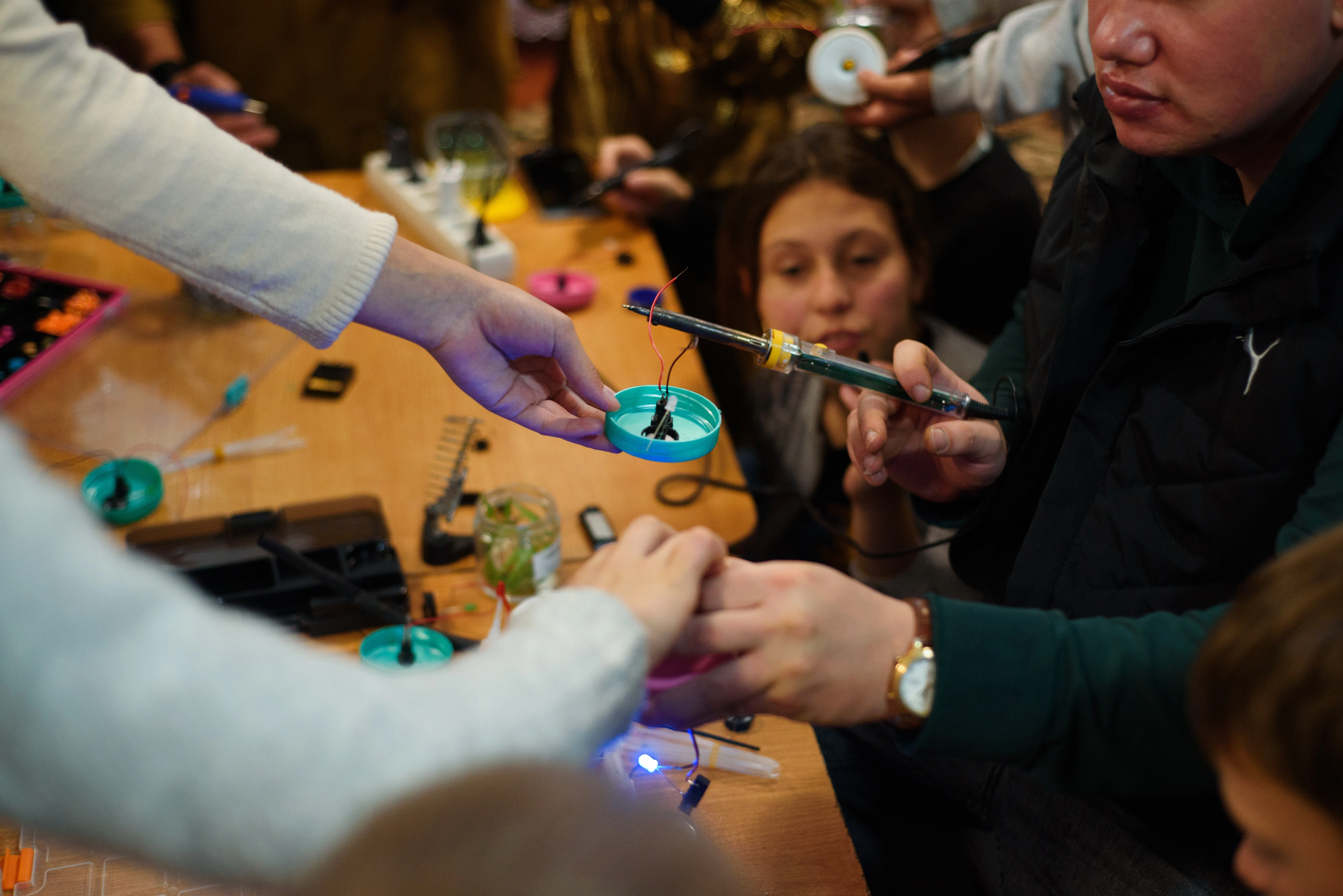
Hands-On Microelectronics Workshop for Children
As part of my broader work in technology and infrastructure, I also contribute to educational initiatives focused on practical engineering skills and early exposure to real-world systems.
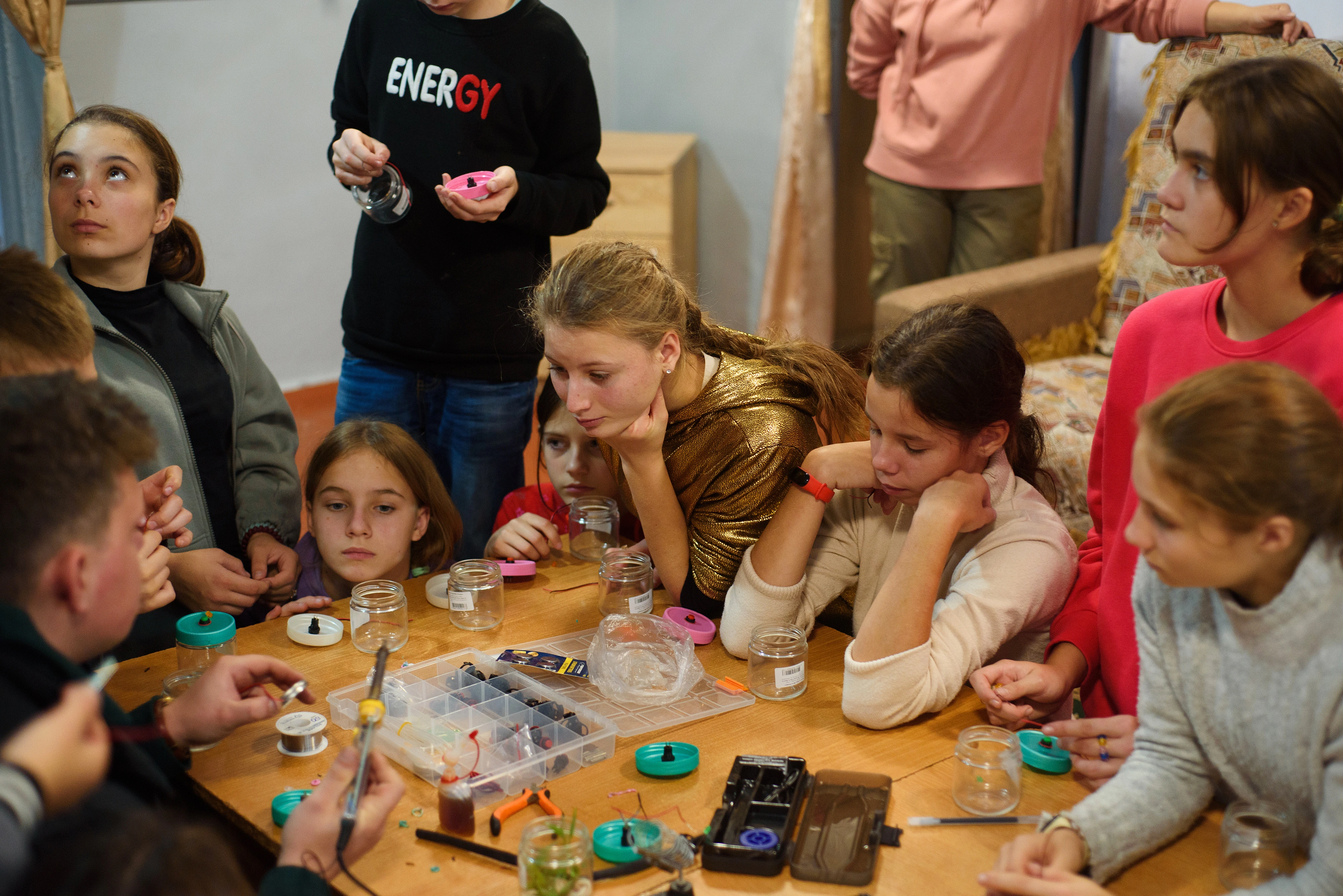
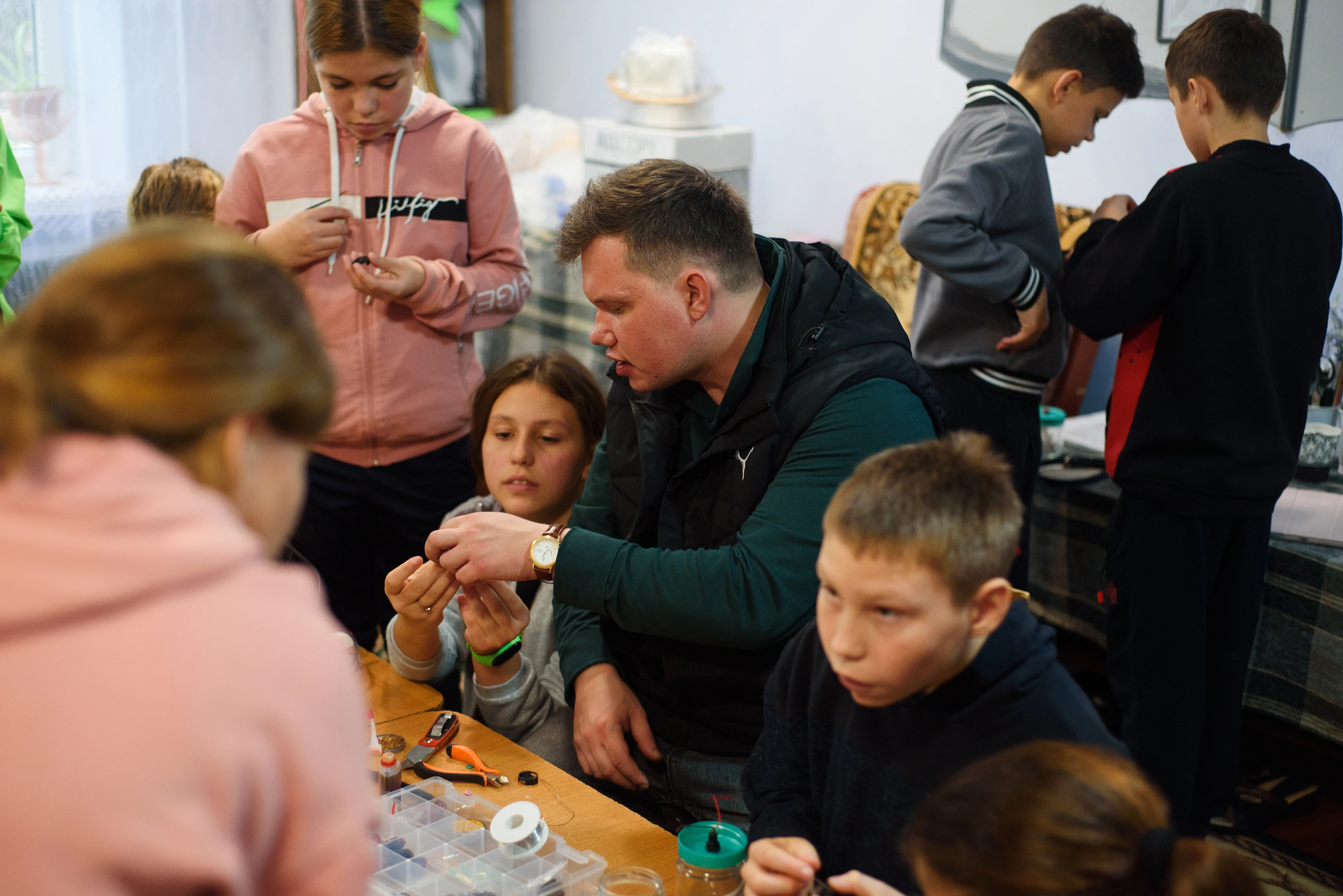
I recently took part in a volunteer educational workshop organized with “From Heart to Heart,” where we introduced 29 children to basic microelectronics through a simple hands-on project.
Workshop Concept
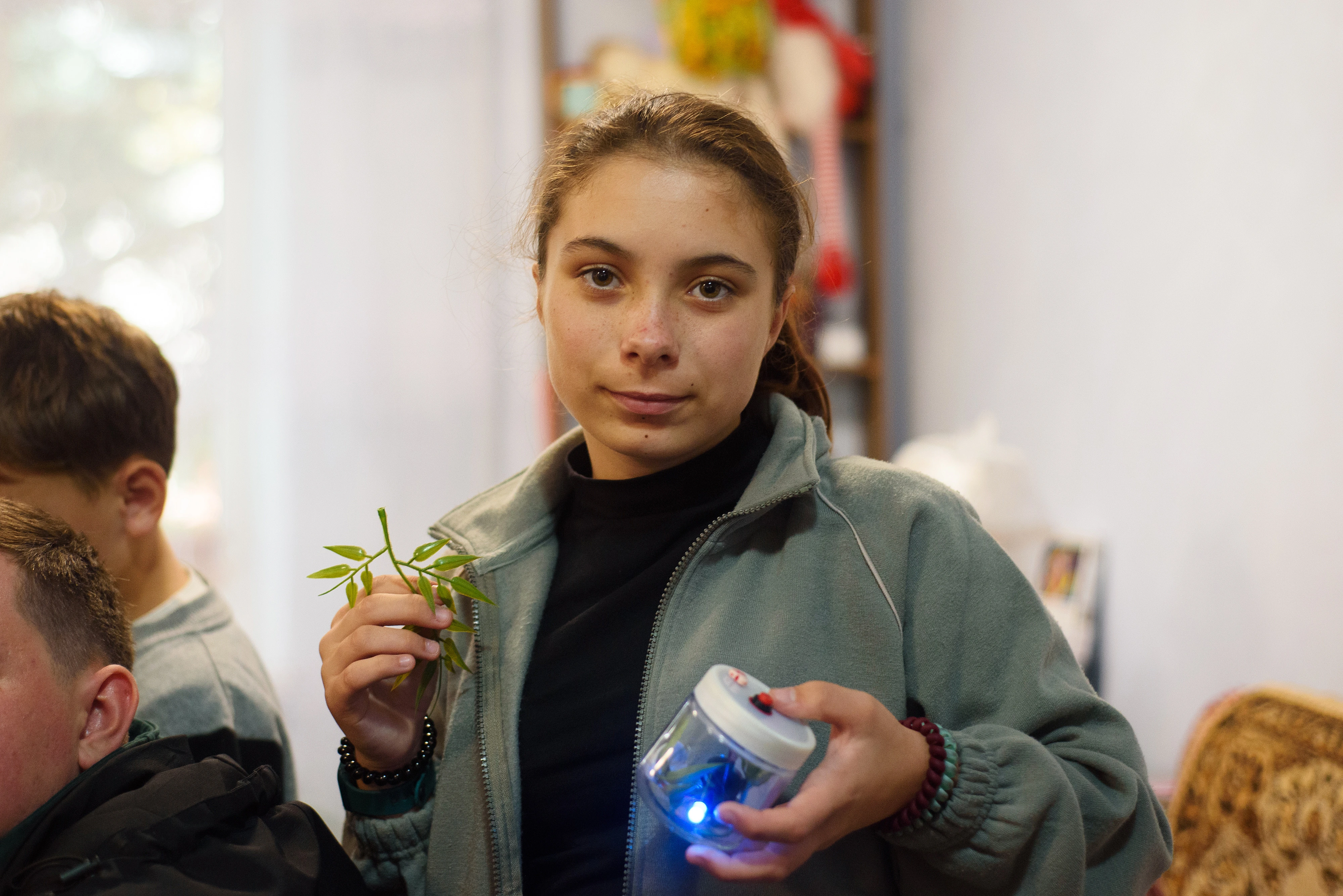
During the session, we built small decorative lamps using:
- glass jars
- CR2032 batteries
- LEDs
- push-button switches
The goal was to demonstrate that electronics does not have to be abstract or complicated — it can be practical, creative, and understandable even for children.
The project was intentionally simple, but it reflected the core idea of an electrical circuit:
- a power source
- a light-emitting component
- a switching mechanism
This allowed participants to see how individual components work together within a real object they assembled with their own hands.
Learning Through Practice
What made the workshop especially valuable was the combination of creativity and technical thinking.
The children were not just listening — they were:
- building
- testing
- asking questions
- observing real results
This type of hands-on learning creates significantly stronger engagement compared to theory alone.
Why It Matters
From my experience working with complex systems, one principle remains consistent:
Understanding systems starts with understanding fundamentals.
Even simple projects can introduce:
- logical thinking
- cause-and-effect relationships
- basic system design principles
These are the same concepts that later scale into software systems, infrastructure, and cybersecurity.
For me, this was also a reminder that technology education should not begin only with advanced tools or complex systems.
Even a small project built from simple materials can help build confidence and curiosity — which are essential for future learning.
Conclusion
Supporting educational initiatives like this is important not only from a social perspective, but also from a long-term technology standpoint.
Volunteer STEM activities help make engineering more accessible, more human, and more inspiring for the next generation of builders and problem-solvers.
This initiative reflects my broader focus on building practical, real-world engineering thinking — not only in systems, but also in people.